When selecting knives made in or inspired by European traditions, careful consideration of steel, craftsmanship, balance, and edge retention matters. The following five knives represent a mix of European and EU-influenced blades designed for professional and home cooks who value sharpness, durability, and reliable performance. The list highlights carbon and stainless options, as well as practical designs for a variety of kitchen tasks.
Summary of Selected Products
| Product | Brand | Blade Type | Key Feature |
|---|---|---|---|
| Misono EU CARBON (Swedish) STEEL Professional Gyuto w/Dragon Engraving | Misono | Gyuto, Carbon Swedish Steel | Dragon engraving; traditional forging |
| Misono EU CARBON (Swedish) STEEL Professional Gyuto | Misono | Gyuto, Carbon Swedish Steel | Hand-forged, high carbon steel |
| Professional Dragon Engraved EU Swedish Steel Gyuto by Misono | Misono | Gyuto, Swede steel | Dragon engraving; 240 mm blade image |
| KYOCERA FK-110 EU – 11cm Ceramic Utility Knife | KYOCERA | Ceramic | High-performance ceramic; sharpness retention |
| Ontel EverBlade Self Sharpening Professional Chef Knife | Ontel | German Steel | Self-sharpening block; convex edge |
Misono EU Carbon Gyuto with Dragon Engraving
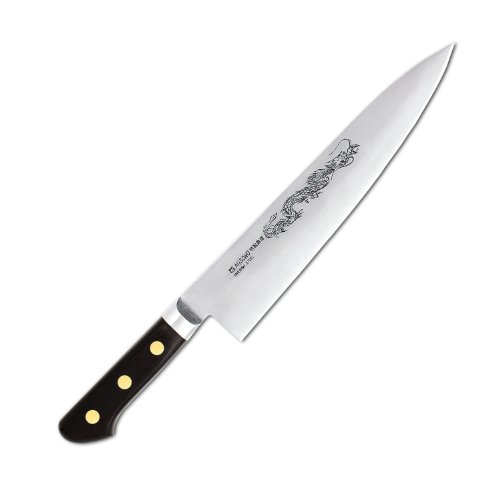
The Misono EU CARBON Gyuto with Dragon Engraving blends traditional Japanese forging with European-carbon steel characteristics. The blade is a 240 mm gyuto, designed for precise slicing and versatile kitchen tasks. The dragon engraving on the blade face highlights the knife’s premium branding and craftsmanship. This knife emphasizes edge retention and responsive handling typical of high-carbon Swedish steel, balanced for both professional kitchens and serious home chefs.
Misono EU Carbon Swedish Steel Gyuto

This Misono EU Carbon Gyuto uses high-grade Swedish carbon steel, forged by skilled professionals in Sakai to ensure durability and balance. The blade features a distinctive dragon engraving and is intended for professional use where high shaping accuracy and fast cutting are required. Because it is a carbon steel knife, it requires careful maintenance to resist staining and corrosion, but offers exceptional sharpness and edge life when properly cared for.
Professional Dragon Engraved EU Swedish Steel Gyuto
This Misono gyuto emphasizes dragon engraving as a hallmark of its premium status, with a 240 mm blade shown in the main image. The combination of EU Swedish steel and traditional gyuto geometry offers robust cutting performance, ideal for slicing meats, vegetables, and delicate produce. The double-bevel edge supports balanced sharpening on both sides, making it suitable for both right- and left-handed users.
KYOCERA FK-110 EU Ceramic Utility Knife

The KYOCERA FK-110 EU is an 11 cm ceramic utility knife designed for precision tasks. Made by Kyocera, a renowned ceramic blade innovator, this knife uses high-quality ceramic that resists staining and holds a sharp edge longer than many steel blades. It is ideal for vegetables, fruits, and small precision cuts where minimal metallic flavor transfer is desired. Ceramic blades require careful handling to avoid chipping and are best used for light to medium-duty work.
Alfi All-Purpose Serrated Knives Set

This Alfi set focuses on all-purpose performance with a USA-made, dishwasher-safe serrated trio. The long-lasting sharpness and lightweight design provide reliable slicing for bread, vegetables, meat, and fruits. The serrated blades are particularly effective on crusty bread and fibrous produce, ensuring clean cuts with less crushing, though they may require more frequent maintenance than a straight-edged blade for best results.
Ontel EverBlade Self Sharpening Chef Knife

The Ontel EverBlade brings German steel construction and a self-sharpening knife block into a single package. The convex edge design reduces cutting resistance, and the integrated sharpener hones the blade each time the knife is removed or replaced. This combination supports consistent performance across a wide range of foods and is designed for everyday kitchen use in both home and professional environments.
BESSEY ERDI Folding Knife With Wooden Handle EU Version

The BESSEY ERDI folding knife combines an elegant wooden handle with quick blade replacement and a belt clip for portability. This EU-version knife emphasizes European design cues and practical field use, offering convenient folding mechanics for safe transport and storage. Its compact size makes it suitable for outdoor tasks and general utility work where a robust folding blade is preferred.
Buying Guide: Key Purchase Considerations And Comparisons
- Blade Material: Carbon steel blades (like the Misono EU series) offer superior edge retention and sharpness when well maintained but are prone to corrosion if not cared for. Stainless or ceramic options (like KYOCERA) provide easier care and resistance to staining, though some may require adjustments to sharpening technique.
- Forging And Craftsmanship: Hand-forged blades from Sakai and other European-inspired processes tend to offer excellent balance and responsiveness. In contrast, factory-forged or mass-produced blades may emphasize consistency and value.
- Edge Geometry: Gyuto-style blades suit versatile kitchen tasks, including meat, fish, and produce. Damascus or decorative engravings are primarily aesthetic but reflect craftsmanship and brand heritage.
- Maintenance And Care: Carbon steel knives require drying after washing and periodic oiling to prevent rust. Ceramic edges are extremely sharp but brittle, so avoid hard surfaces and bending. Folding knives require proper blade lockup and periodic inspection of hinges.
- Use Case and Size: Blade length and weight affect control for delicate slicing versus heavy-duty chopping. Consider your dominant tasks and comfort with handle ergonomics when selecting a blade.
- Maintenance Accessibility: Replacement belts for sharpeners and the availability of service centers influence long-term upkeep. Self-sharpening blocks offer convenience but require proper use and placement.
- Regional Availability: EU and EU-inspired knives may align with regional cooking styles and maintenance routines, influencing the expected performance in different kitchens across America.
These considerations help compare blades across carbon versus ceramic versus stainless steel, as well as traditional forged versus mass-produced options. Selecting a knife should balance edge retention, maintenance, weight, and the intended kitchen tasks to achieve dependable, long-term performance.