Choosing a juicer that handles wheatgrass and leafy greens efficiently can boost your daily greens intake. The options below highlight manual and electric juicers designed to preserve nutrients while delivering smooth, pulp-free juice. Each product is evaluated for performance with greens, ease of use, and cleaning convenience to support healthier habits.
Summary Table
- Healthy Juicer Original: Manual masticating, excellent greens performance, BPA-free materials
- Kilixin Manual Wheatgrass Juicer: Stainless steel, durable, good for greens and fruits
- HEZHHA Manual Wheatgrass Juicer: Stainless steel, stable clamp, practical filter
- LUFVEBUT Slow Masticating Juicer: 80 RPM, enzyme-rich juice, BPA-free
- Omega H3000RED Cold Press Juicer: Slow masticating, high nutrient retention, BPA-free
Original Healthy Juicer For Wheatgrass And Leafy Greens
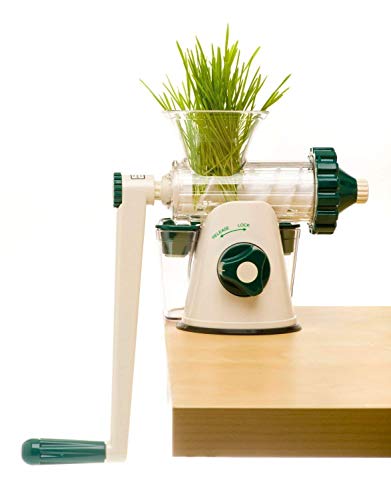
The ORIGINAL Healthy Juicer uses masticating technology to preserve live enzymes and nutrients in greens such as wheatgrass, kale, and spinach. It is designed as a compact, easy-to-clean manual juicer suitable for daily greens. The unit is built with BPA-free plastic and a stainless steel tip and end cap for added safety and durability, and it has earned trust from a wide customer base since 2004.
Kilixin Manual Wheatgrass Juicer

Designed for efficient extraction, this stainless steel hand crank juicer handles wheatgrass, leafy greens, and a variety of fruits and vegetables. Instructions note some apples may clog if not prepared properly; peeling and dicing apples into small pieces helps reduce blockages. Built to last with durable stainless steel, it emphasizes a simple manual operation for steady juicing without electricity.
HEZHHA Manual Wheatgrass Juicer

This stainless steel and wood juicer combines durability with a practical filter that produces cleaner juice. The C-clamp provides tabletop stability to reduce movement during pressing, making it a reliable choice for frequent manual juicing of greens, along with other fruits and vegetables.
LUFVEBUT Slow Masticating Juicer For Greens

This slow juicer operates at 80 RPM, prioritizing enzyme preservation and nutrient retention in leafy greens, wheatgrass, and other produce. The one-speed control design accommodates both soft and hard fruits and vegetables. A 200W motor supports robust juicing, and the unit emphasizes BPA-free materials and a reverse function to prevent jams.
LUFVEBUT Celery, Wheatgrass, Spinach Juicer (Second Model)

This LUFVEBUT model continues the emphasis on low-speed, nutrient-rich juice with a similar 80 RPM design. It targets leafy greens and vegetables like celery and spinach, highlighting BPA-free parts and a durable construction intended for long-term use. The product promotes clean extraction with an improved filter and sturdy build.
PSIIDAN Juicer Machines For Greens And Veggies

PSIIDAN offers a cold press juicer with a slow 65 RPM operation to lock in nutrients, supporting a wide range of greens from leafy herbs to root vegetables. Its reversible function helps prevent jams, and the design emphasizes quiet operation and easy cleaning, with many parts dishwasher-safe for convenience.
Omega H3000RED Cold Press 365 Juicer
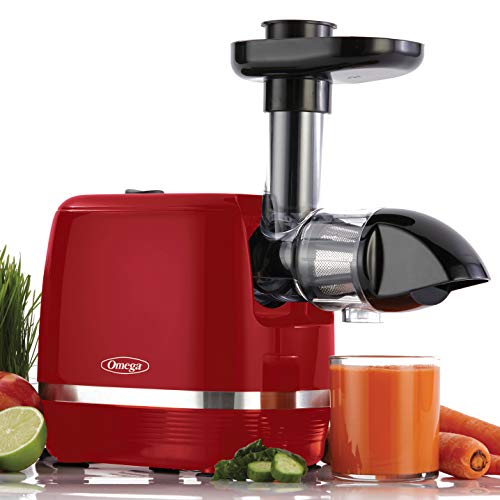
The Omega H3000RED uses slow masticating technology to extract juice from fruits, vegetables, and greens, preserving nutrients and enzymes. This BPA-free juicer is designed for high juice yield and consistent performance, contributing to healthier home juicing habits while maintaining a compact footprint and safe, reliable operation.
Buying Guide: Key Purchase Considerations For Greens Juicers
- Juicing speed and nutrient preservation: Slow, masticating models (typically 65-90 RPM) minimize heat and oxidation, helping retain enzymes and vitamins in greens like wheatgrass and kale.
- Ease of use and cleaning: Manual juicers offer simple operation and minimal electricity use but may require more effort. Look for models with easy-to-clean parts and dishwasher-safe components.
- Material safety and durability: BPA-free plastics, stainless steel, and strong clamps or bases improve safety and longevity, especially when juicing fibrous greens.
- Versatility: Some juicers excel at greens, while others handle a wider range of produce, including apples and carrots. Consider your typical produce mix and feeding chute size.
- Stability and setup: A sturdy clamp or base reduces movement during juicing, particularly for manual models. Check whether the unit clamps securely to a countertop.
- Maintenance and parts availability: Replacement filters, augers, and gaskets are important for long-term use. Evaluate whether the brand provides affordable spare parts.
- Noise level: Electric juicers vary in noise; slower, cold-press designs are generally quieter, which can be important for early-morning juicing.
When choosing a green-friendly juicer, weigh how often you juice greens, the effort you’re willing to invest, and your ease of cleaning. Manual options offer portability and energy savings, while slow-speed electric juicers maximize nutrient retention for those prioritizing daily greens intake. Each model listed above targets leafy greens and wheatgrass, with features tailored to safe operation, durability, and clean extraction.