Choosing the right fermenter is key to achieving consistent flavor, efficient fermentation, and easy cleanup in homebrewing. Below are five top-rated options that balance durability, temperature control, conical design, and user-friendly features. Each product is selected for relevance to beer fermentation and provides reliable performance for both novice and seasoned brewers.
| Product | Brand | Capacity | Key Feature |
|---|---|---|---|
| VEVOR Pressure Fermenter | VEVOR | 8 Gal / 30 L | Pressure fermentation with real-time monitoring |
| BrewDemon Premium Signature Kit Pro | BrewDemon | 2 Gal | Pro-style conical with no airlock or siphon |
| Speidel 30L Plastic Fermenter | Speidel | 30 L (7.9 Gal) | Durable HDPE with built-in spigot |
| 30 Liter 6 Gallon Conical Fermenter (Fermtech) | Fermtech | 6 Gal | Conical with built-in thermometer |
| FastRack 6.5 Gallon Fermenter | FastRack | 6.5 Gal | Food-grade plastic with airlock compatibility |
The following sections highlight five top fermenters for beer, detailing what each offers, how it fits different brewing styles, and practical considerations to help you choose a model that aligns with your process, space, and budget.
VEVOR Pressure Fermenter: 8 Gal All-in-One Conical
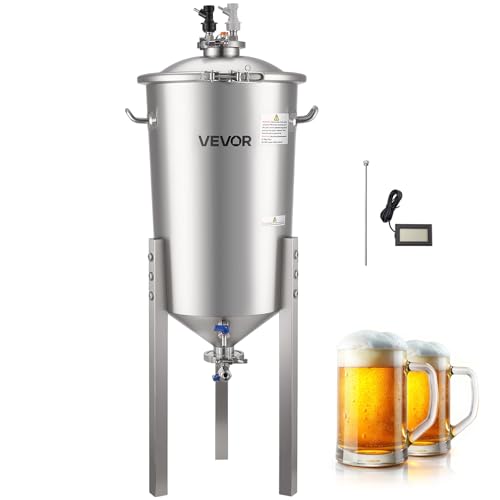
The VEVOR pressure fermenter combines a stainless steel conical design with a pressure-capable system to help manage CO₂ during secondary fermentation. Real-time pressure monitoring supports stable flavor development by mitigating overflow risks. It features a built-in electronic thermometer for precise temperature control across a range of 32–104°F (0–40°C), with liquid-temperature readouts displayed in real time. The vessel is constructed from food-grade 304 stainless steel (0.5 mm thick), offering durability and a smooth surface that reduces residue buildup and simplifies cleaning. A key advantage is the ability to connect to a yeast bottle for consistent pitching, though the yeast bottle is not included. This model is suitable for beer, wine, and other fermentations where pressure management and temperature stability matter.
Considerations: Pros include robust stainless construction, integrated temperature sensing, and pressure-friendly design. Potential drawbacks include price and the need to source compatible accessories (like a yeast bottle) separately. For brewers seeking a high-control option with reduced overflow risk, this fermenter provides a solid balance of reliability and ease of cleaning.
BrewDemon Premium Signature Kit Pro

The BrewDemon Premium Signature Kit Pro emphasizes a conical fermentation approach with a focus on simple, quick-turn recipes. This kit is designed to deliver consistent results with a 2-gallon capacity, featuring a patented pro-style conical fermenter and pre-measured NZ recipes. The included One Evil Pilsner recipe offers a light, refreshing beer profile, crafted to be easy to brew in minutes. The package highlights minimal equipment fuss, enabling homebrewers to focus on recipe development and flavor enhancements rather than complex siphoning or airlock maintenance.
Considerations: Pros include streamlined setup, consistent conical fermentation, and flavor-forward recipes. Cons include smaller batch size and a reliance on BrewDemon’s proprietary ingredient kits. This option is ideal for hobbyists who want quick, repeatable results without investing in large-scale gear.
BrewDemon Premium Beer Kit With Bottles

The BrewDemon Premium Beer Kit with Bottles uses a conical fermenter design to minimize sediment and improve clarity. The included 2-gallon American Ale recipe is crafted to deliver a balanced, approachable beer. Like other BrewDemon kits, it emphasizes quick recipe prep and a streamlined brewing process, allowing brewers to move from stove to fermentation with minimal setup. The kit’s recipe focus aims to simplify the path to a solid homebrew, especially for those who value consistency and convenience in small-batch fermentation.
Considerations: Pros include sediment control, reliable 2-gallon recipes, and a consistent outcome. Cons include smaller batch size and dependence on included recipes. Best for beginners who want a quick-start conical experience with repeatable results.
Speidel 30L Plastic Fermenter With Spigot

The Speidel 30L plastic fermenter is a durable HDPE fermentation bucket with a built-in spigot, bung, and oversized two-piece airlock. It is designed to accommodate fermentations for wine kits or standard 5-gallon batches, offering ample headspace to minimize blow-offs. The heavy-duty, food-safe HDPE minimizes oxygen transfer and preserves flavor and aroma over the course of fermentation. Ergonomic molded handles and a wide top opening make cleaning and handling straightforward, reducing the need for siphons or fragile glass carboys.
Considerations: Pros include durability, ease of cleaning, and simple access for sampling. Cons involve plastic material versus stainless steel, which may be preferred by some brewers for long-term use. This option is well-suited for home brewers seeking a cost-effective, reliable heavy-duty bucket with practical features.
30 Liter 6 Gallon Conical Fermenter (Fermtech)
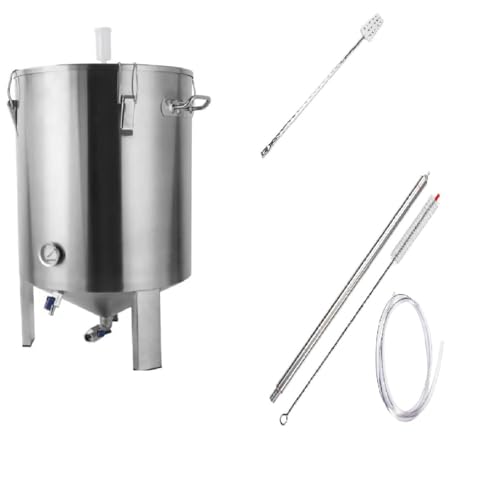
The Fermtech conical fermenter offers a 30-liter capacity with a built-in thermometer and four locking points to secure the lid. It also features a dedicated beer-out valve and a yeast paste-out valve for efficient transfer and cleanup. This model targets homebrew carboys and provides a versatile solution for fermenting beer, wine, and even kombucha, with a durable stainless setup that balances performance and affordability. The integrated temperature monitoring supports precise control across fermentation stages.
Considerations: Pros include conical design, integrated thermometer, and transfer valves. Cons might include assembly requirements and size considerations for smaller spaces. This option is strong for brewers who want conical performance without the higher price of premium stainless systems.
FastRack Fermentation Bucket 6.5 Gallon

The FastRack 6.5-gallon fermentation bucket emphasizes a lightweight, food-grade HDPE design with a drilled lid grommet for an airlock. The container is designed for ease of use, allowing quick sampling and sediment management. Its 6.5-gallon capacity makes it suitable for a range of homebrewed beers, wines, and meads. The bucket’s visibility and compatibility with common homebrewing accessories add to its practicality for daily use.
Considerations: Pros include affordability, compatibility with airlocks, and ease of handling. Cons include the lack of a conical shape’s sediment-management advantages. This option suits brewers seeking a simple, economical vessel for standard fermentation workflows.
Buying Guide: Key Purchase Considerations For Fermenters
- Material and durability: Stainless steel conical fermenters offer corrosion resistance, easier cleaning, and long-term durability, especially for high-temperature or pressure-fermentation setups. Plastic fermenters are lighter and cheaper but may scratch and stain over time.
- Capacity and batch size: Match capacity to your typical batch size (2–8 gallons commonly). Larger vessels provide flexibility for experimenting but require more space and handling effort.
- Conical vs non-conical: Conical fermenters help with sediment collection and easier transfers, but can be more expensive and require proper cleaning and sanitization. Buckets and carboys are simpler but may need more meticulous sediment management.
- Temperature control: Integrated thermometers and external temperature control options help achieve consistent fermentation. Consider whether you need passive cooling, heating, or built-in microcontrollers for precise control.
- Pressure handling: If you plan to pressure-ferment or keg, choose a vessel designed for pressure with real-time monitoring to prevent overflow and ensure flavor stability.
- Sanitation and cleaning: Smooth surfaces, minimal crevices, and compatibility with standard sanitizers shorten cleaning time and reduce risk of contamination.
- Accessories and setup: Look for compatibility with airlocks, spigots, bottle fillers, and transfer valves. Some kits include recipes, while others focus on the vessel alone.
- Maintenance and resale value: Durable materials and a well-engineered design typically retain resale value and offer better long-term returns for frequent brewers.