Choosing the right bottle water filter can help reduce chlorine taste, odors, and particulates while keeping hydration convenient. The options below focus on BPA-free, reusable bottles with replaceable filters designed to cut impurities from tap or sourced water. Each pick offers portability, durability, and a focus on sustainability by reducing single-use plastic waste. Read on to compare top models and their filtering capabilities to help determine the best fit for your daily routine.
| Product | Brand | Capacity | Filter Lifespan | Key Benefit |
|---|---|---|---|---|
| Brita Night Sky 26 oz | Brita | 26 oz | 2 months / 40 gallons | Carbon filtration reduces chlorine taste |
| Brita Blush 26 oz | Brita | 26 oz | 2 months / 40 gallons | Activated carbon filtration and sustainability |
| Philips GoZero Everyday 26 oz | Philips | 26 oz | 2 months / 40 gallons | Chlorine and particulates reduction with stainless design |
| LifeStraw Go Series 22 oz | LifeStraw | 22 oz | 2 months / 40 gallons | Membrane microfilter protects against bacteria and parasites |
| LifeStraw Go Series 24 oz | LifeStraw | 24 oz | 2 months / 40 gallons | Insulated stainless steel with robust filtration |
Brita Night Sky 26 oz Premium Filtering Bottle
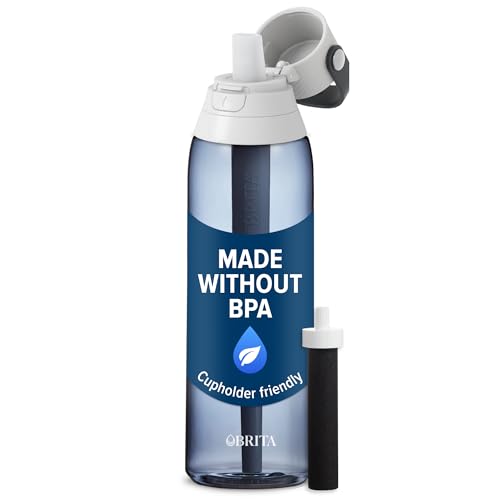
This 26 oz Brita water bottle features a BPA-free hard-sided design with one replaceable filter that targets chlorine taste and odor as you drink. The activated carbon block filter reduces particulates and impurities in drinking water. It is not a purifier bottle, but it emphasizes taste improvement. A key sustainability note: each filter can replace up to 300 standard 16.9 oz plastic bottles, aligning with reusable, eco-friendly goals.
Brita Night Sky 26 oz Blush Edition

This 26 oz Brita bottle mirrors the Night Sky model’s core filtering approach. It uses an activated carbon block filter to reduce chlorine taste and odor while lowering particulates. The bottle remains BPA-free and reusable, offering a sustainable option that can replace thousands of single-use bottles over time. Filter life remains aligned with two months or about 40 gallons of usage, depending on frequency of use and water quality.
Brita Stainless Steel Premium Filter Bottle
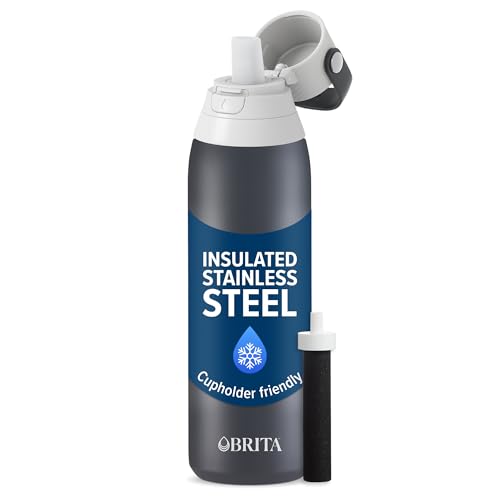
This 20 oz stainless steel Brita bottle combines double-wall insulation with a carbon-based filter to reduce taste and odor from chlorine and particulates in drinking water. Built for cold retention up to 24 hours, it offers a durable, sustainable option with equivalent filter lifespans of two months or 40 gallons, aimed at active users who want a sleek, temperature-retaining bottle.
Philips GoZero Everyday Water Bottle

The Philips GoZero Everyday bottle features an integrated go-to filter system designed to reduce chlorine and particulates from tap water, improving taste and odor. It uses an activated carbon fiber filter and includes a user-friendly orientation guide for filter installation. Made from 18/8 food-grade stainless steel, it is designed to stay cold for extended periods. The filter is intended for about 40 gallons or two months of typical use, with the caveat that filters do not alter minerals or total dissolved solids in water.
LifeStraw Go Series 22 oz Water Filter Bottle

LifeStraw Go Series 22 oz combines a BPA-free bottle with a membrane microfilter that provides high-level protection against bacteria, parasites, and microplastics. The carbon filter reduces chlorine taste and odors, improving overall water quality for travel, outdoor activities, and everyday use. Filtration claims include 99.999999% barrier against bacteria and parasites and 99.999% microplastics, aligning with broad protection expectations for many on-the-go scenarios.
LifeStraw Go Series 24 oz Insulated Bottle

This 24 oz insulated LifeStraw Go Series bottle keeps beverages cold for longer while providing solid filtration. It uses a carbon filter to cut chlorine taste and odors and a membrane microfilter to block bacteria, parasites, and microplastics. The insulated design supports all-day hydration in varied climates, making it suitable for commuting, hiking, or office use. The filter system is intended for about two months or 40 gallons of use, consistent with the brand’s filtration cycle recommendations.
Buying Guide: Key Purchase Considerations
- Filtration goals: If your primary aim is to improve taste and odor, carbon-based filters are common and effective. For broader protection from contaminants, look for products with membrane microfilters and clear performance claims about bacteria, parasites, and microplastics.
- Capacity and usage: Consider daily water needs. Larger bottles (24–26 oz) offer more hydration per fill, while smaller options are lighter for travel.
- Filtration lifespan: Most bottles advertise about two months or 40 gallons per filter. Verify replacement filter availability and replacement costs to estimate long-term value.
- Material and durability: BPA-free plastics are lightweight, while stainless steel options offer better temperature retention and durability. Insulated designs help keep water cold or hot longer.
- Compatibility and maintenance: If buying replacement filters or mouthpieces, confirm compatibility with your bottle model. Regular cleaning of the bottle and filter housing helps maintain filtration efficiency.
- Environmental impact: Reusable bottles reduce single-use plastic consumption. Confirm the brand’s filter replacement cycle aligns with your budget and usage to maximize sustainability benefits.
- Usage context: For travel, camping, and on-the-go use, choose a bottle with a secure lid, leak-proof design, and filters that perform well in varied water qualities.
- Filter limitations: Most consumer bottles improve taste and reduce particulates and chlorine but do not function as full water purifiers. If you need disinfection or safe drinking water in high-risk environments, consider additional filtration or purification methods.